
What is Coccidiosis in Calves?
Coccidiosis is a parasitic disease caused by protozoa of the genus Eimeria, bovine coccidiosis is associated with gastrointestinal symptoms, impaired growth and increased susceptibility to secondary infections.
These parasites damage the lining of the intestine, leading to diarrhea, dehydration and poor growth. The disease spreads when calves ingest infective oocysts, tiny eggs shed in the faeces of infected animals, which can contaminate bedding, feed, water and pasture.
Warm, moist and unhygienic conditions allow these oocysts to survive and multiply, increasing the risk of infection. Stressful situations such as weaning, transport or overcrowding can weaken the calf’s immune system, making them even more susceptible to the disease.
Which species of calves are most at risk of having coccidiosis?
- Dairy calves raised in intensive systems, especially when hygiene is poor
- Beef calves in crowded or stressful conditions, such as during weaning or transport
- Calves in wet, contaminated or overstocked environments, where oocysts survive and spread easily
Risk Factors for Coccidiosis in Calves
- Age
Young calves, especially those between three weeks and six months of age, are most susceptible to coccidiosis. The immune system during this period is still developing, making them vulnerable to intestinal protozoa. Another study found the highest infection rates in calves aged five to nine months (PMID: 35946612). This is due to both increased exposure to contaminated environments and a still-maturing immune response.
- Body Condition Score (BCS)
Poor body condition is a reliable indicator of higher risk for calf diseases including coccidiosis in calves. In Ethiopia, a study indicated that calves with a lower BCS were significantly more likely to shed Eimeria oocysts compared to those in better condition (Biomed Research). Malnourished calves have weakened immunity, reducing their ability to fight off protozoal infections.
- Colostrum Feeding Practices
Adequate and timely colostrum intake within the first two to four hours post-birth is critical to confer passive immunity. Delays in colostrum feeding or inadequate quality can predispose calves to enteric diseases, including bovine coccidiosis. A study highlighted that calves which did not receive colostrum within the first 12 hours were significantly more prone to diarrheal diseases, including coccidiosis (PMID: 32704347).
Clinical Signs and Diagnosis for Coccidiosis in Calves
The symptoms of coccidiosis in calves range from mild to severe. Subclinical infections may result in reduced feed conversion and poor weight gain, while clinical cases show diarrhea (often bloody), dehydration, tenesmus and sometimes death.
Diagnosis is typically performed through microscopic examination of fecal samples to detect oocysts. However, the presence of oocysts alone does not confirm disease, as many calves can be asymptomatic carriers.
Quantitative methods, such as oocysts per gram (OPG) count, are more accurate in assessing disease severity. Molecular diagnostics, like PCR, are increasingly being used for species-level identification and quantification of infection load. (Eukaryotic infections in dairy calves: diagnosis and control).
Management Strategies for Coccidiosis in Calves
- Hygiene and Biosecurity
Good hygiene and biosecurity practices are foundational for the prevention of calf diseases coccidiosis. Regular cleaning and disinfection of calf housing, feeding equipment and water troughs can greatly reduce environmental oocyst load. Dry bedding, adequate ventilation and proper manure management are also critical.
- Anticoccidial Treatments
Preventive and therapeutic treatment using anticoccidial drugs like toltrazuril, diclazuril or sulfonamides is common practice. Treatment is typically administered during high-risk periods such as weaning or following transport stress.
- Nutritional Support
Ensuring calves receive adequate nutrition boosts their immune system, reducing susceptibility to bovine coccidiosis. Mineral and vitamin supplementation, especially vitamins A and E and selenium, can be supportive during recovery.
- Monitoring and Targeted Treatment
Routine fecal sampling and monitoring of OPG levels can help identify high-risk individuals or herds. Targeted treatment of infected or at-risk calves can reduce overuse of drugs and slow the development of resistance.
How to Provide Additional Nutritional Support for Calves
Tonisity recognises the pivotal role that gut health plays in shaping the nutrition of young ruminants, including calves, lambs, and kids. Our cutting-edge products, Tonisity Rum-X and Tonisity Rum-Xm, have been meticulously formulated to enhance intestinal development and microflora, promoting the overall health and performance of your young livestock from an early stage

Tonisity Rum-X
A highly-palatable isotonic protein solution, Tonisity Rum-X supports young ruminants (calves, lambs and kids) performance through optimising the development of the intestine and the microflora, helping to build immune defences and setting them up to maximise their potential. By nourishing the gut through its rapid development in early life, Tonisity Rum-X results in better absorption of nutrients from milk or other feed sources, higher survival and optimal lifetime performance.
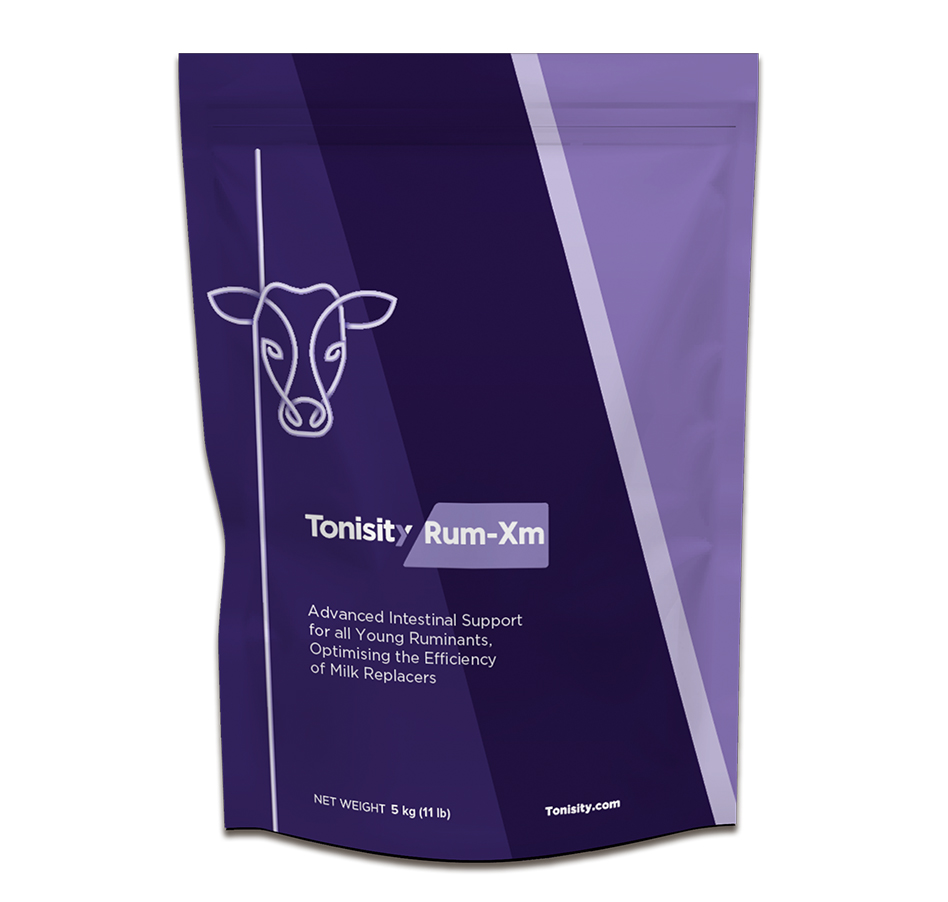
Tonisity Rum-Xm
Designed for easy use with milk replacers, Tonisity Rum-Xm supports young ruminants (calves, sheep and goats) performance through optimising the development of the intestine and the microflora, helping to build immune defences and setting them up to maximise their potential. By nourishing the gut through its rapid development in early life
Do you would like to know more about our solutions to help give extra nutritional support to your calves
Speak to one of our specialists today by clicking here and tell us about the key challenges you’re facing on your farm. We’ll recommend the most effective solutions and protocols to help support your calves.
Economic Impact of Coccidiosis in Calves
Coccidiosis in calves, caused by protozoa of the Eimeria genus, primarily affects young ruminants and leads to diarrhoea, reduced weight gain, and, in severe cases, death. Even subclinical infections can significantly impair animal performance.
Estimated Financial Losses
- Weight Loss and Milk Production:
Studies show infected calves can experience a weight loss of 22 to 27 kg, which is often not recovered later. This loss directly impacts future milk yield, with reductions of up to 344 kg less milk in the first lactation (Veterinary Practice). - Cost per Calf:
Economic losses per calf are estimated at £24.50 to £59.25 (approximately €28 to €68), not including treatment expenses (Veterinary Practice). - Subclinical Infections:
The majority of economic damage stems from subclinical cases, which account for up to 95% of infections. These reduce feed efficiency and weight gain, even without visible symptoms (Academia.edu).
Global Perspective
Globally, the financial burden of bovine coccidiosis is significant:
- United States:
Annual losses of up to $62 million, considering mortality, treatment costs and reduced performance (CalfNotes) - Mexico and Canada:
Estimated yearly losses of $23.78 million in Mexico and $3.8 million in Canada (Academia.edu)
Conclusion about Coccidiosis in Calves
Coccidiosis in calves continues to be a significant challenge for cattle producers, impacting animal welfare and productivity. Understanding the epidemiology of Eimeria spp., identifying high-risk groups based on age, body condition and colostrum status and implementing comprehensive management strategies are essential to control this disease.
Scientific studies across diverse geographical regions consistently point to E. bovis and E. zuernii as the primary culprits of bovine coccidiosis. Proactive strategies involving hygiene, targeted anticoccidial treatment and nutritional support are the most effective tools in managing this infection.
By integrating evidence-based practices and ongoing monitoring, farmers and veterinarians can mitigate the impacts of calf diseases coccidiosis and ensure better health and growth performance in young cattle.
For more information on coccidiosis in calves, always consult your local veterinarian or livestock advisor.
Frequently Asked Questions (FAQ) about Coccidiosis in Calves
- What causes coccidiosis in calves?
Coccidiosis in calves is caused by protozoan parasites from the genus Eimeria, with E. bovis and E. zuernii being the most pathogenic and common in cattle. - What are the main symptoms of bovine coccidiosis?
Symptoms include diarrhea (often bloody), dehydration, weight loss, reduced appetite and general weakness. Severe cases can result in death. - At what age are calves most at risk for coccidiosis?
Calves between three weeks and six months of age are at highest risk due to their underdeveloped immune systems and increased exposure to contaminated environments. - How is coccidiosis in calves diagnosed?
Diagnosis is done through fecal examination to detect Eimeria oocysts. Quantitative methods such as OPG counts and PCR testing can provide more accurate assessments. - Can coccidiosis in calves be prevented?
Yes. Prevention involves good hygiene, early colostrum feeding, proper nutrition and, in some cases, prophylactic use of anticoccidial drugs like toltrazuril or diclazuril. - What are the long-term effects of calf disease coccidiosis?
Subclinical infections can lead to poor growth performance, delayed weaning and increased susceptibility to other diseases, resulting in economic losses. - Can coccidiosis spread between animals?
Yes. It spreads through ingestion of oocysts shed in the feces of infected animals. Contaminated feed, water and bedding are common sources. - How does colostrum feeding impact coccidiosis risk?
Timely and adequate colostrum feeding provides passive immunity and significantly reduces the risk of infections, including bovine coccidiosis.